Wetskills-Tanzania 2026 – Blog 6 –
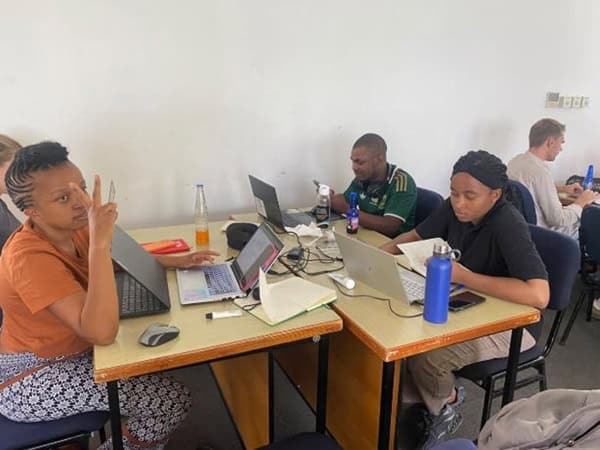
Today, we went to the Nelson Mandela African Institution of Science and Technology (NM-AIST) for a day of learning, training, and teamwork. We arrived at 9:00 a.m. and continued working with our respective teams on our cases. At 10:00 a.m., Miss Zintle Pretty Mbeka conducted a training session on pitching, case papers, and posters. The training was informative and helped us understand how to present our ideas more effectively.
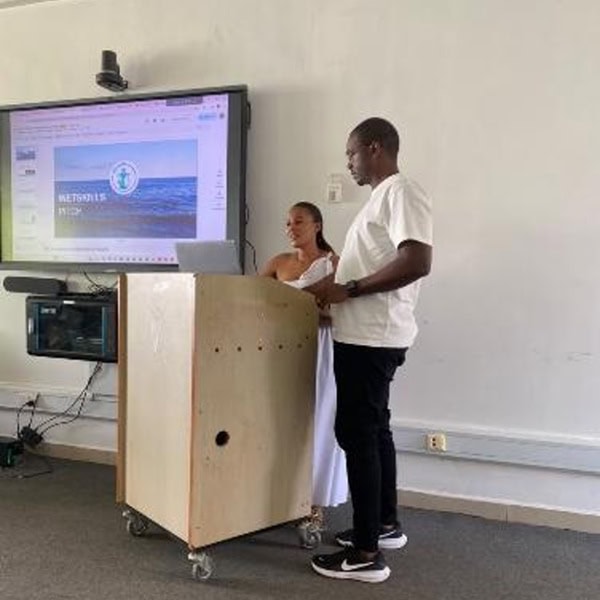
First, she taught us about pitching. She explained that a pitch should not take more than two minutes and discussed how team members should stand and position themselves when one member is presenting. Dr Craig also demonstrated this for us, helping us understand how to position ourselves as a team during a pitch. Miss Zintle provided us with a clear structure to follow when preparing our pitches. This helped us understand the importance of being brief, organised, and confident when communicating our ideas. To make the session more practical and engaging, she played videos of previous participants in the Wetskills programme delivering their pitches. We watched the videos carefully and identified both the strengths and weaknesses of each group’s presentation. This activity allowed us to assess each team’s performance and demonstrate our understanding of what is expected when delivering a pitch. We considered aspects that were done well and areas that needed improvement. The examples made the session more interactive and helped us understand how to prepare and deliver effective pitches.
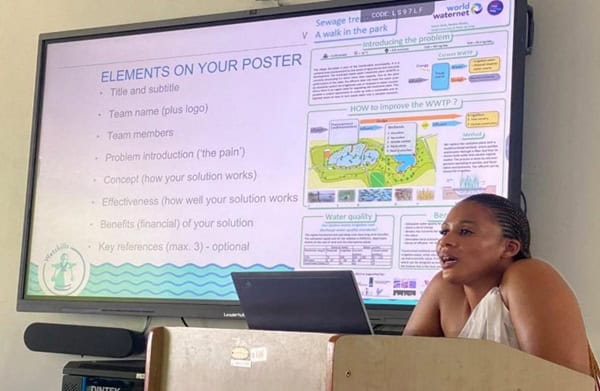
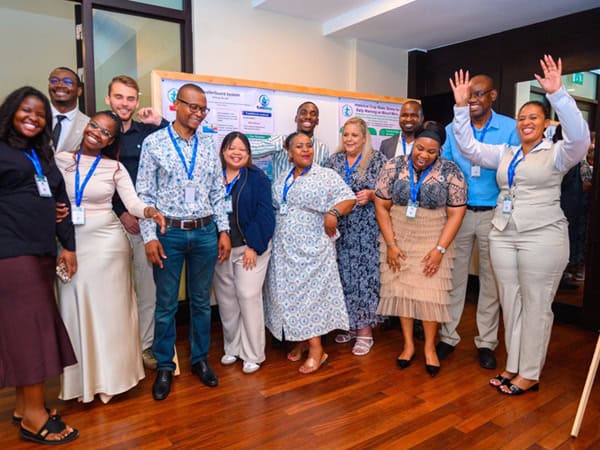
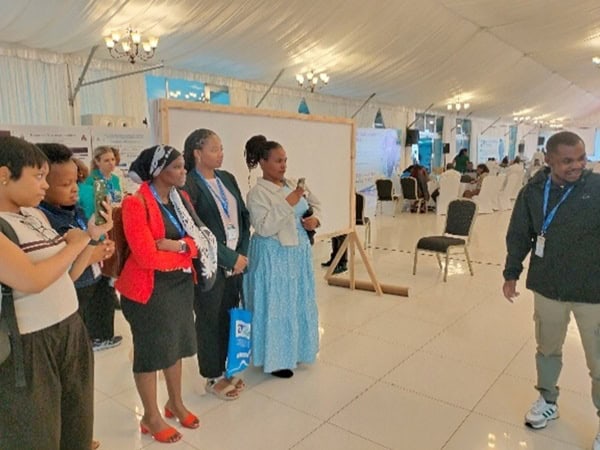
Next, she explained how to write and structure our case papers. She discussed the key elements a case paper should include and how to organise the information clearly. This session gave us a better understanding of what is expected in our case papers and how to present our work professionally. After that, we took a five-minute break before continuing with the training on posters. Miss Zintle explained what a good poster should look like and the key elements that make it effective. She shared five different poster examples with us, allowing us to examine their strengths and weaknesses. We discussed what was done well, what needed improvement, and how we could make our own posters more effective. She also used examples when teaching us about pitching, which made the session more practical and easier to understand. After the training, we returned to working on our cases as teams. This gave us an opportunity to apply the knowledge we had gained and continue improving our work.
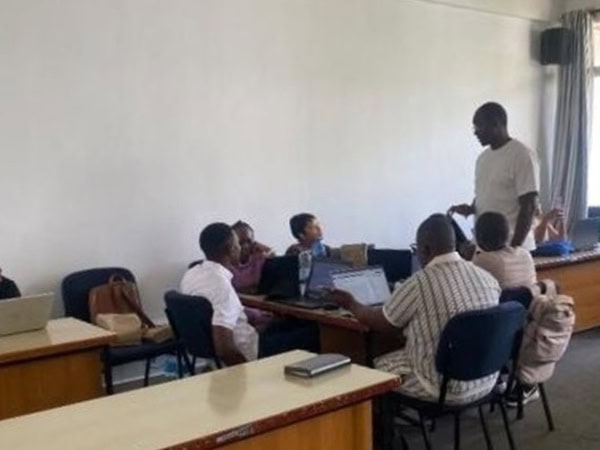
Later, Dr Craig offered consultation sessions with each team to assess our progress with our cases. These consultations gave us an opportunity to discuss our work, receive guidance, and identify areas requiring further improvement. Overall, the day was productive and informative.
I learned that presenting a good idea requires more than just having the idea itself. It is also important to communicate it clearly, structure the information properly, and present it in a way that captures the audience’s attention.
The training and consultations helped us gain a clearer understanding of how to improve our case papers, pitches, and posters as we continue working on our cases. This experience reminded me that teamwork, preparation, and constructive feedback are important steps toward producing quality work.