WetsNext

Good Question: WetsNext?

WetsNext is an extension of the Wetskills Challenge, aimsto stimulate follow-up activities based on the principles and outcomes of the Wetskills Challenge. Its primary objective is toa dvance feasibility studies and nurture emerging concepts under the guidance of case owners, Wetskills Team members, Wetskills alumni, and various stakeholders. These studies serve as a foundation for practical and actionable projects.

Wetskills Foundation stimulates, monitors and communicates about WetsNext follow-up activities, unlocks its international networks to support and in some WetsNext projects actively engaged as partner.
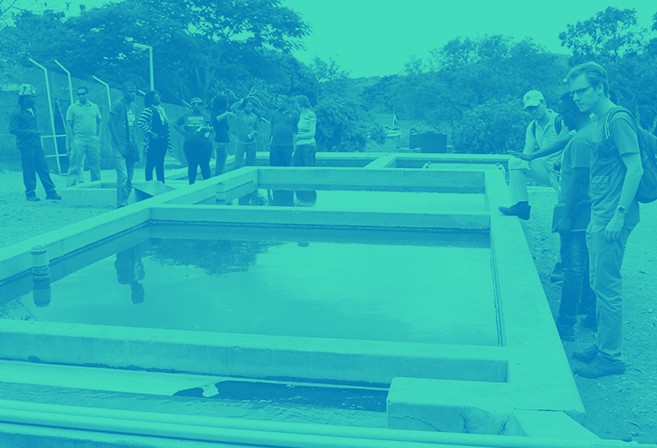
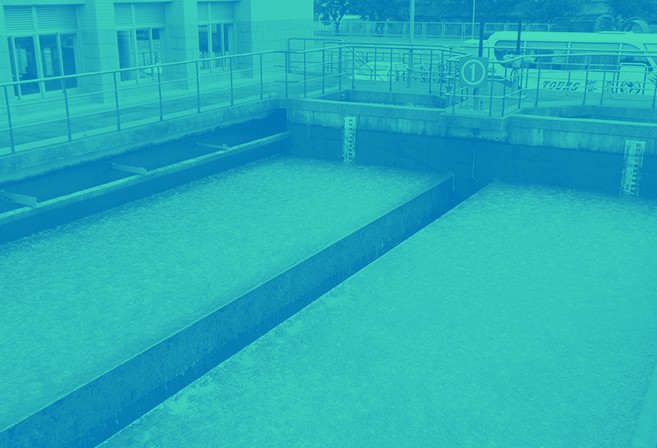
WetsNext Connects Partners For Follow-Up

♦ For companies and organizations in the water sector: WetsNext is a chance to have one or more students / young professionals working on promising solutions of solutions correlated during Wetskills Challenges.

♦ For students and young professionals: WetsNext is a great assignment or internship to bring promising concepts to the next level. Supervised by experts, to develop ideas into working solutions.

♦ For Universities: WetsNext has great concepts for education and research purposes.

♦ For Events: Workshops on stimulating innovations to implementations, based on real-life examples and experiences

WetsNext ‘Rules’

WetsNext aims to bring partners together around a Wetskills concept, working together to have a follow-up step (feasibility studies and pilots) and eventually implementation to gain impact.

In principle, students/young professionals get an (internship) assignment at a university or partner organisation. The partners (case owners and interested organizations) contribute inkind with network and expertise, and universities worldwide support the process (supervision, working location, cheap accommodation, etc.).

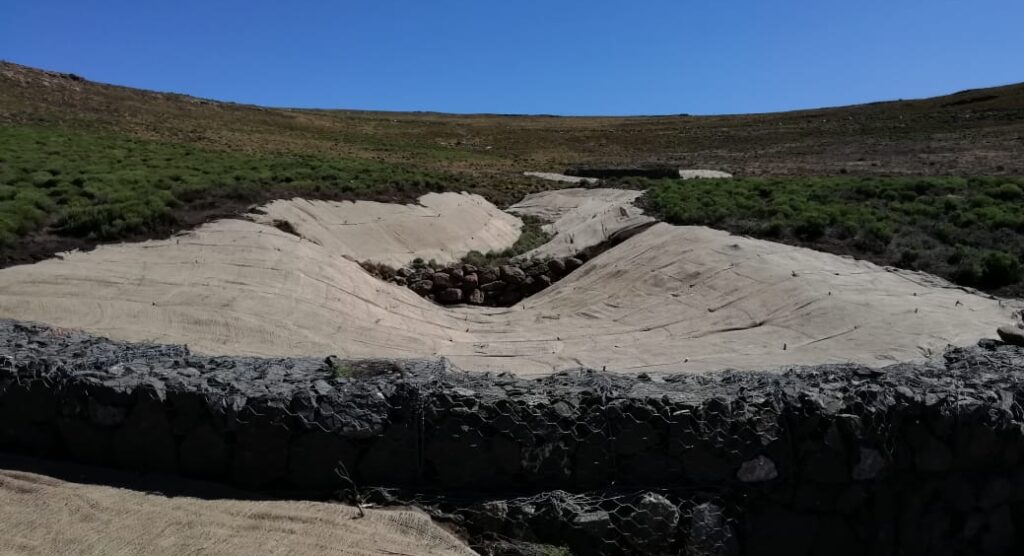
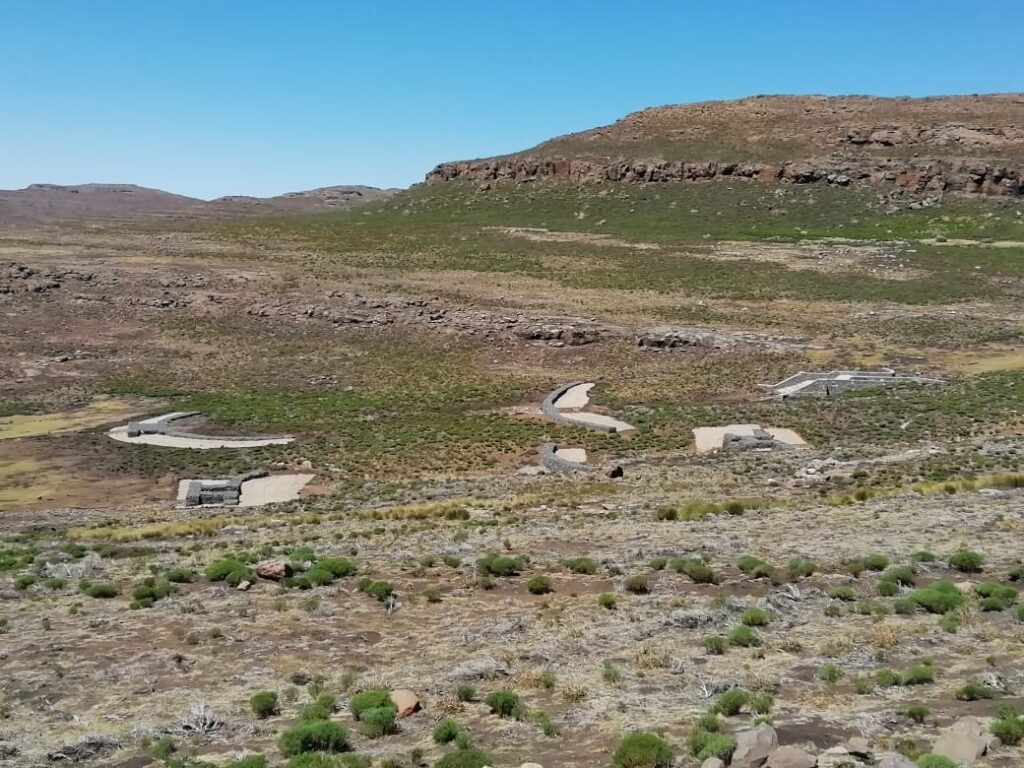
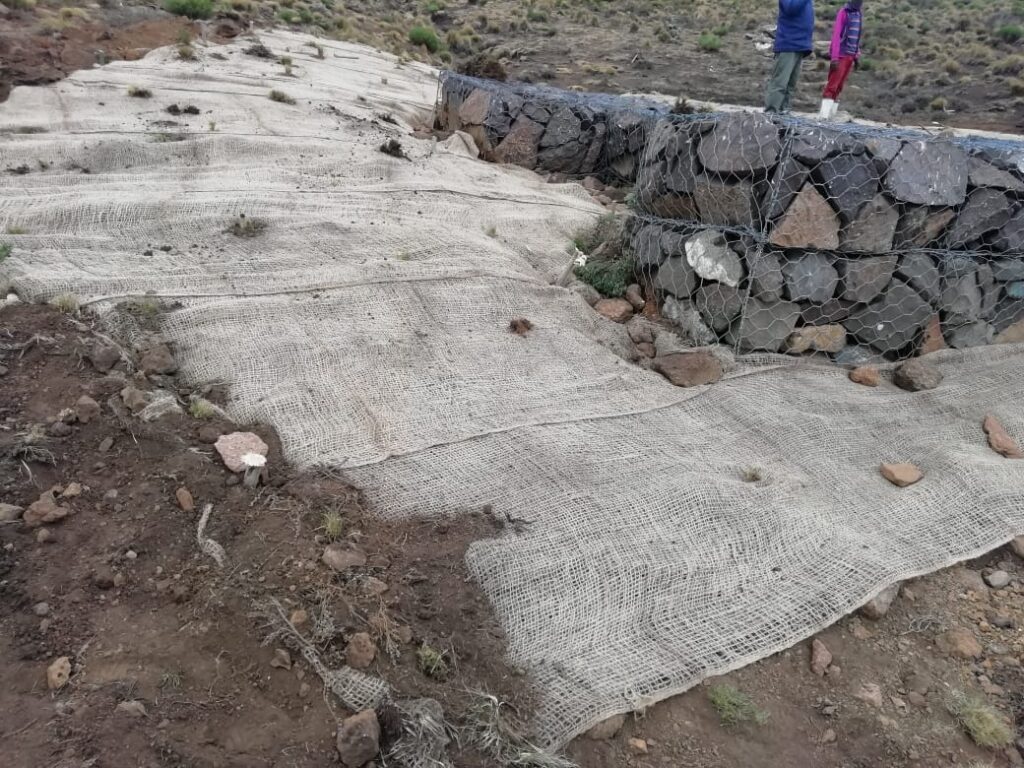
Soil Erosion Blankets in Lesotho

Solution developed during Wetskills-South Africa (Cape Town) 2018 with case owner: ReNOKA programme (Lesotho), with follow-up during the Wetskills-Lesotho 2023.

Ambition: Use this technology to avoid soil erosion in Lesotho. Installment of sites across the country, keeping the water in the area while greening the area too.

Status: Project piloted successfully, further implemented.

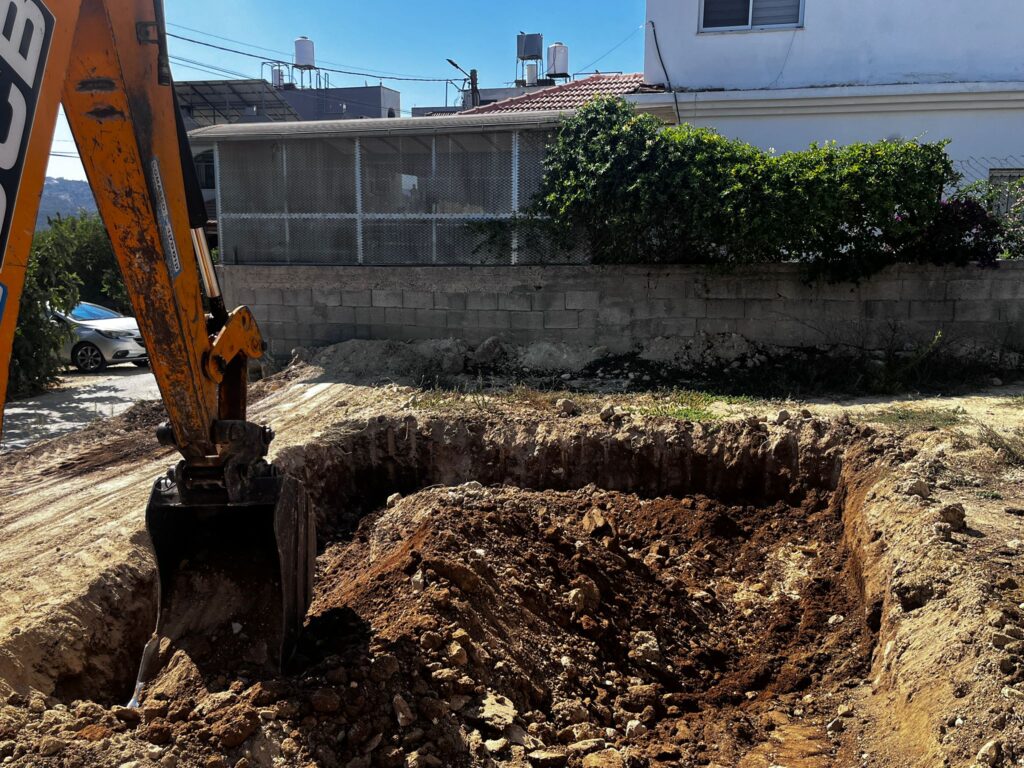
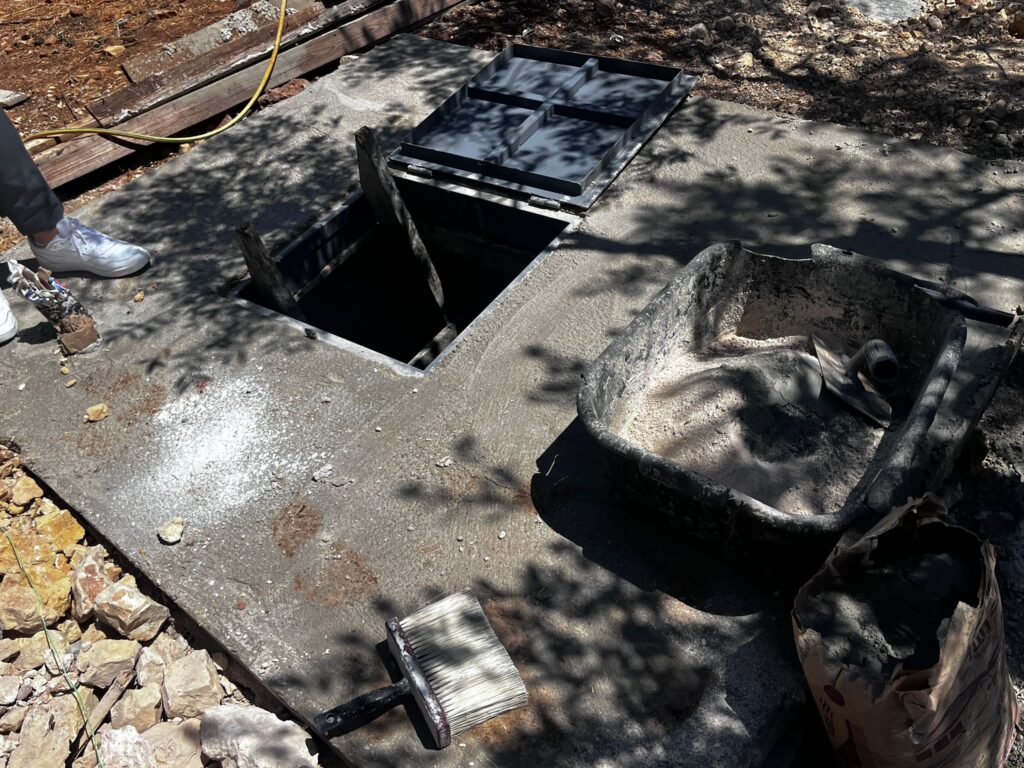
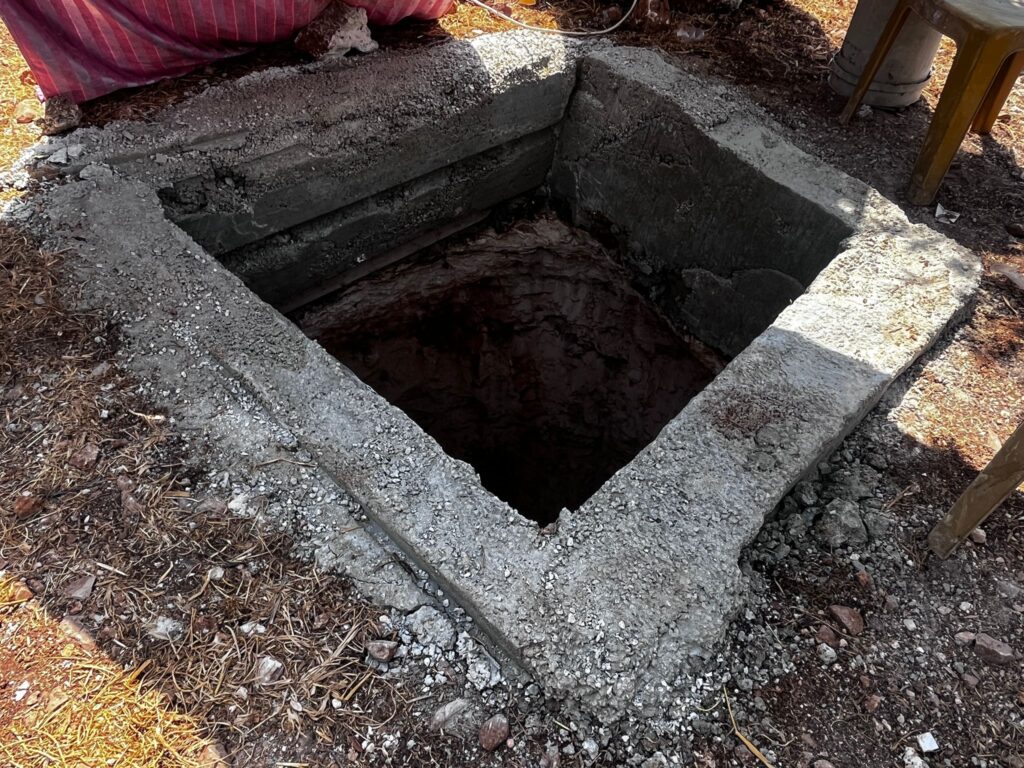
Rainwater harvesting in Palestine

Solution developed during Wetskills-Palestine 2022 with case owner: World Waternet

Ambition: Install the idea of rainwater harvesting in practice and learn from it.

Status: Project implemented

ISITHUNZI-san dry sanitation for schools in South Africa

Solution developed during Wetskills-South Africa (Durban) 2023 and  (Bulawayo) Wetskills-South Africa (Durban) 2024 with case owner: Department of Water and Sanitation of South Africa

Ambition: Implement this solution in the country, starting with some pilot studies

Status: After a WetsNext meeting with the two teams (at Roodeplaat DWS Water Training Centre, July 2024) the group developed a feasibility study, proposal and financial paragraph. This has been finalized at the end of the year and sent to some other ministeries for funding.

Drought dashboard for Bulawayo (Zimbabwe)

Solution developed during Wetskills-Zimbabwe (Bulawayo) 2024 with case owner: City of Bulawayo

Ambition: Develop a dashboard to manage the severe droughts

Status: Project under development. First dashboard developed with online features and presented at the SWAN Conference in Cape Town (March 2026)

WetsNext Pilot Plastic Reuse For Rain Barrels

Ambition: To develop a rain barrel from recycled plastics for a competitive prize (and so reducing the plastic waste worldwide)

This basis idea of reusing shredded plastic for small scaled storm water infrastructure was posed by the team that worked on the case of Water Authority Delfland during Wetskills-USA 2016 (POSTER).

The aim of WetsNext project was to: 1. Developing a Programme of Demands and a first design; 2. Piloting and optimizing at the Living Lab plastic in Culemborg; 3. Business case; and 4. Network analysis.

This Wetsnext project was elaborated by students from the Industrial Design Engineering department of Rotterdam University of Applied Science. The project was supported by Water Authority Delfland and Searious Business (an organization working on the clean-up of oceans from plastic).

WetsNext Study For ILLUVIA Concept In South Africa

A project that aims to improve the access to clean drinking water and sanitation in rural areas and informal urban settlements in South Africa. It started out as a case study by BersonUV during Wetskills-South-Africa 2016, which resulted in the ILLUVIA concept. (POSTER)

The main ambition is to provide the community with more than just safe drinking water and proper sanitation, like: ablution facilities, electricity and wifi. Thereby, we aim to smartly combine technologies and to involve the target community and local enterprises in planning and implementation. Jobs are created in the maintenance of the facility and a small agribusiness that uses pretreated wastewater from the facility for irrigation. Like this, we aim for the project to evolve into a self-sustaining source of community upliftment and economic development.

This WetsNext project was supported by the University of Cape Town, Utrecht University, a South African entrepeneur and BersonUV.

WetsNext: City BluePrints Worldwide

The City BluePrint was an assignment for one of the Wetskills teams in Boston-USA (POSTER). Wetskills Foundation partnered with KWR Watercycle Research Institute and Utrecht University to roll-out the City BluePrint concept worldwide. Students stayed at partners of Wetskills Foundation to execute City BluePrint Assessments. Based on these assessments we know more about the water management and water governance status of cities, with directions for improvement. This also provided data to compare water management of different cities. The first WetsNext try-out was a project to develop the City BluePrint in Ahmedabad, by a Wetskills alumni (more information: e-brochure-city-blueprint)

Status: Development of various City Blueprints for cities worldwide (as Ahmedabad, Boston, Milwaukee): Read news item and Publication: Connecting water science and policy in India: lessons from a systematic water governance assessment in the city of Ahmedabad.

keyboard_arrow_up